Thyroid
The most common reason to see an endocrinologist — from tiredness and weight changes to nodules.
- Hypothyroidism & Hashimoto’s
- Hyperthyroidism & Graves’ disease
- Nodules & goitre
- Thyroid in pregnancy
ENDOCRINOLOGY PRACTICE · CHALANDRI, ATHENS
Endocrinologist – DiabetologistPhD, University of Athens
Balanced hormones, a better quality of life. Personalised diagnosis and treatment for the thyroid, diabetes, metabolism and bones — with modern diagnostic equipment right in the practice.

OUR APPROACH
Hormones regulate almost every function in the body — your metabolism, weight, energy, mood and bones. That is why the right diagnosis takes time, care and a view of the whole person.
Every visit begins with a careful medical history and clinical examination, followed by the tests you need — many of them carried out right here in the practice. The goal is treatment tailored to you, and a relationship of trust that lasts.
AREAS OF EXPERTISE
Many endocrine conditions are interconnected. An endocrinologist can look at them as a whole — from the thyroid and diabetes to weight and bones.
The most common reason to see an endocrinologist — from tiredness and weight changes to nodules.
Diagnosis, treatment and long-term follow-up, with a focus on everyday life.
Measuring your metabolism and body composition, for a plan based on real data.
Preventing and treating bone loss, especially after the menopause.
Hormonal changes at every stage of a woman’s life, handled with care and discretion.
Looking for hormonal causes of high blood pressure, and managing blood lipids.
DIAGNOSTICS
The practice is equipped to carry out the key imaging and metabolic measurements on site — for a faster, more complete assessment.
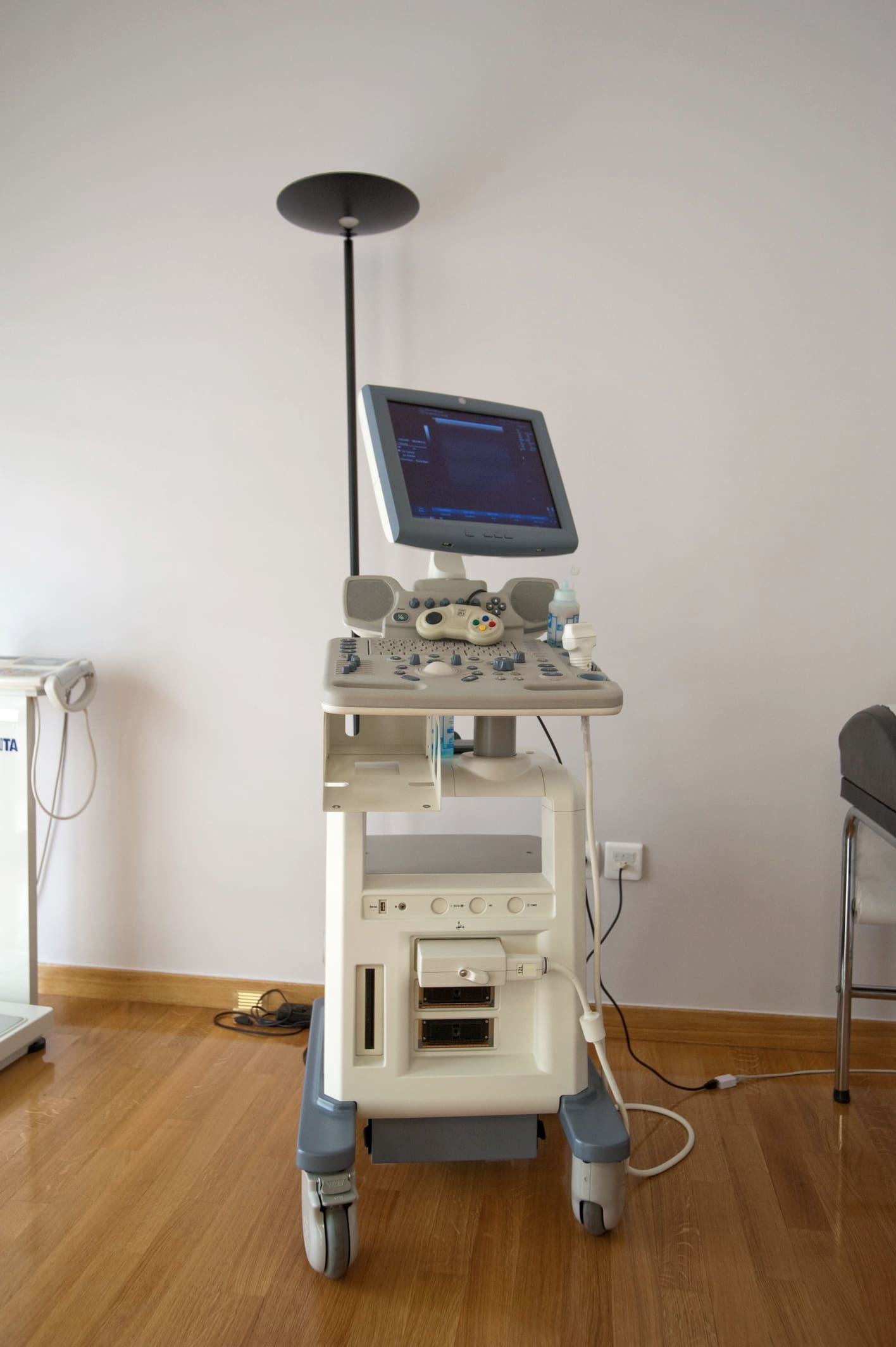
Detailed imaging of the gland and any nodules, with colour Doppler and elastography.
Body composition analysis: fat, muscle mass and water.
Measures abdominal fat, a key marker of cardiometabolic risk.
How many calories your body burns at rest, for a realistic nutrition plan.
Continuous tracking of blood sugar over 24 hours.
A reliable picture of your blood pressure through the day and night.
Measures your actual energy expenditure and daily activity.
THE DOCTOR
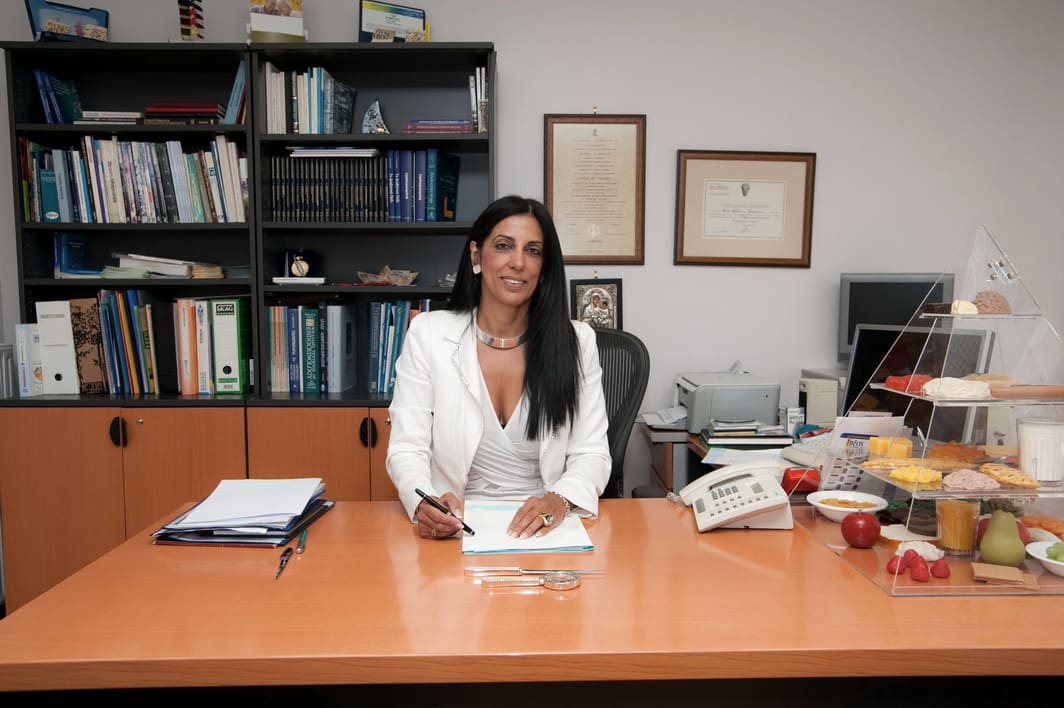
Endocrinologist – Diabetologist – Public Health Physician
Anna Garidou graduated from the University of Athens Medical School, the School of Pharmacy of the University of Thessaloniki and the Athens School of Public Health. She also holds a doctorate with distinction from the University of Athens Medical School.
She qualified as an endocrinologist in 1997 and has practised ever since at her private clinic in Chalandri, as well as in collaboration with major private hospitals in Athens such as Iatriko Athinon (Athens Medical Center) and Hygeia. She has taken part in many scientific outreach events and television programmes, presenting current scientific thinking on topics in her specialty.
Alongside her doctoral thesis, she has contributed to 24 scientific papers: 5 published in scientific journals and 19 presented at 26 scientific conferences.
THE PRACTICE
In Ano Chalandri, on Penteli Avenue. The practice is designed to put you at ease from the moment you arrive — with your tests completed in one place.
YOUR VISIT
Call or email us to book an appointment. We will tell you what to bring.
A detailed medical history, a clinical examination and, where needed, an ultrasound or other measurements in the practice.
A personalised treatment plan, advice on diet and lifestyle, and regular follow-up.
FAQ
Short answers to questions we often hear in the practice. Every case still needs a personal assessment.
Ask usThe thyroid is a gland everyone has, and it is vital to our health. When people say they “have thyroid”, they usually mean they have a thyroid condition. The most common are:
To find out whether there is a problem, you need specialised blood tests and a thyroid ultrasound.
Only an underactive thyroid lowers your basal metabolic rate (you burn fewer calories), in proportion to how severe it is — so it may lead to gradual weight gain.
Once an underactive thyroid is diagnosed and treated correctly, though, there is no reason to gain weight. The same applies if your thyroid has been removed, as long as your treatment is well adjusted.
Nervousness or irritability together with a fast heartbeat, insomnia, tremor, sweating, intolerance to heat, tiring easily, weight loss and often muscle weakness can be explained by untreated hyperthyroidism — or, to a lesser degree, by too high a dose of thyroxine.
If your thyroid blood tests are normal, however, your nerves are not caused by your thyroid.
A nodule is a lump within the thyroid, usually benign (85–90%). It can range from a few millimetres to a few centimetres; under one centimetre it is considered small, but it still needs monitoring. There may be a single nodule or several.
A cold nodule does not produce hormones; 85% of cold nodules are benign. A hot nodule overproduces hormones; hot nodules are almost always benign.
Investigation involves specialised blood tests (TSH, FT3, FT4, thyroglobulin, calcitonin), a colour Doppler ultrasound and, if the endocrinologist considers it necessary, a fine-needle aspiration. Read more about thyroid nodules.
A goitre is an enlarged thyroid gland. The enlargement accompanies many thyroid conditions. When there is enlargement only, with no other condition, it is called a simple goitre.
If there is no underlying heart disease, a thyroid-related fast heartbeat is caused by hyperthyroidism — an excess of thyroid hormones.
If you have heart failure, coronary heart disease, an arrhythmia or atrial fibrillation and also take thyroxine, a fast heartbeat can occur even when hormone levels are normal. The dose should then be kept as low as possible.
As well as other, rarer endocrine conditions.
If the whole gland has been removed, an ultrasound is rarely needed. Checking your thyroid hormones (TSH, FT3, FT4) once a year is enough.
If you have had a lobectomy or partial thyroidectomy, it is wise to check the remaining lobe or tissue by ultrasound, because nodules often develop.
If your weight changes, if new medicines such as coumarin anticoagulants (Sintrom) or anti-epileptics are added, or if you have gastritis, have your thyroid checked sooner, as your thyroxine dose may need adjusting.
The usual causes of hyperthyroidism are autoimmune hyperthyroidism and hot nodules, which overproduce thyroxine.
In these forms you should avoid iodised salt, fish and shellfish, and contact with iodine (Betadine, iodinated contrast agents, kelp). It is also best to avoid long periods with your skin in seawater.
A pregnant woman needs to be very well controlled, because for the first 10 weeks the baby has no thyroid of its own and relies on the mother’s thyroxine. This is when the central nervous system develops, and low hormone levels in the mother can affect the child.
A pregnant woman with hypothyroidism should be checked every 2–2½ months and have her thyroxine dose adjusted, because her needs increase — due to weight gain and increased excretion by the kidneys.
ARTICLES
Articles by Dr Garidou on the most common endocrine conditions, written for patients. All articles
Iodine, selenium, soya, vegetables, gluten-free diets — what the scientific evidence says today about nutrition and the thyroid.
THYROIDThe most common thyroid disorder. Symptoms, causes, diagnosis with a simple blood test, and treatment — and why it matters especially in pregnancy.
BONES & MENOPAUSEWhy menopause speeds up bone loss, which women should have a bone density scan, and how osteoporosis can be prevented.
CONTACT
Visits are by appointment. Call or email us and we will get back to you as soon as possible.
210 685 5452Penteli Ave. & Filippou Litsa 1
The map loads from Google only if you choose to show it.